Gemstone collecting
Beyond diamonds the appeal of coloured gemstones
Why sapphires, rubies and emeralds attract collectors, what auction headlines reveal, and how to choose a stone for its individual qualities.
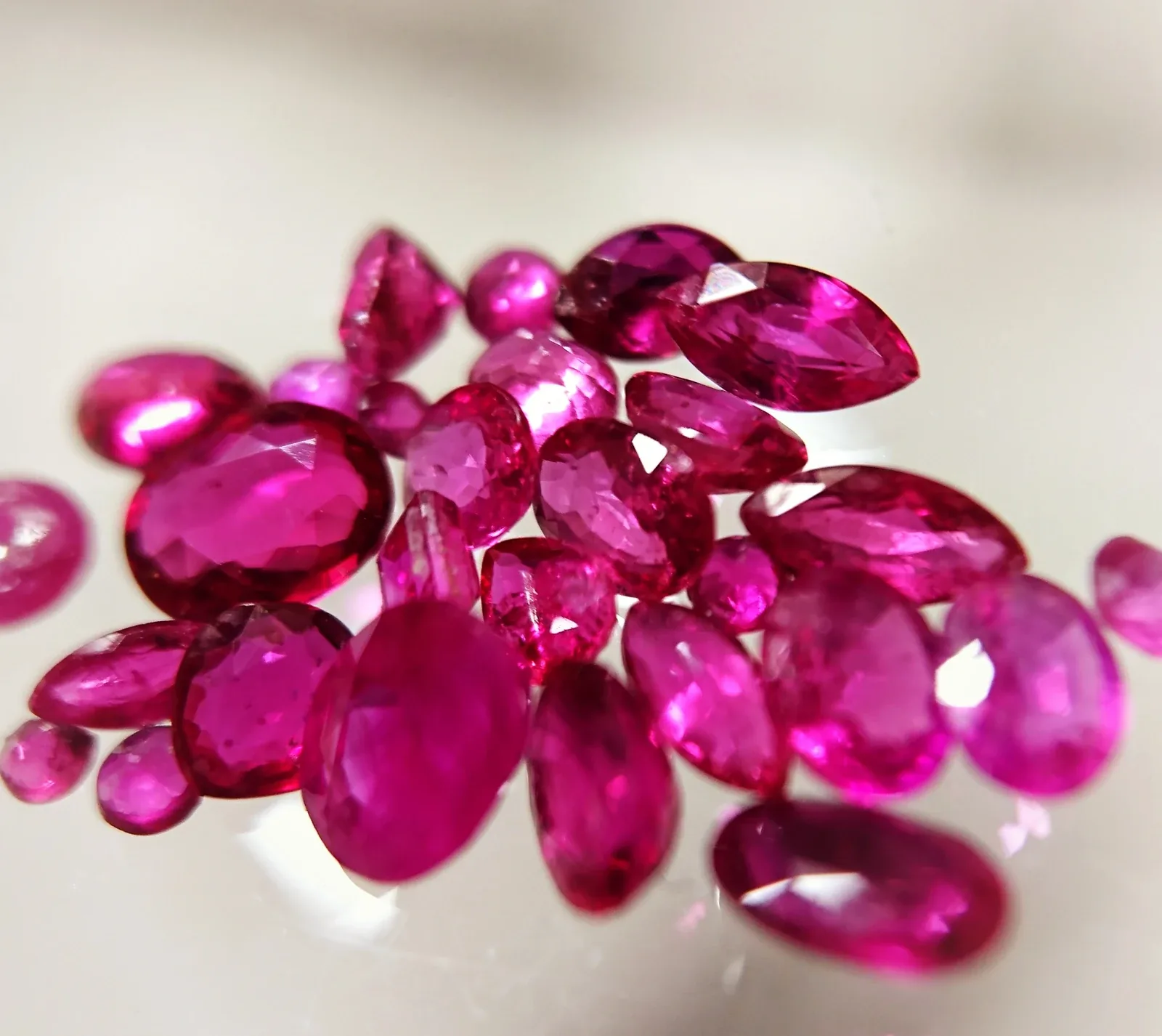
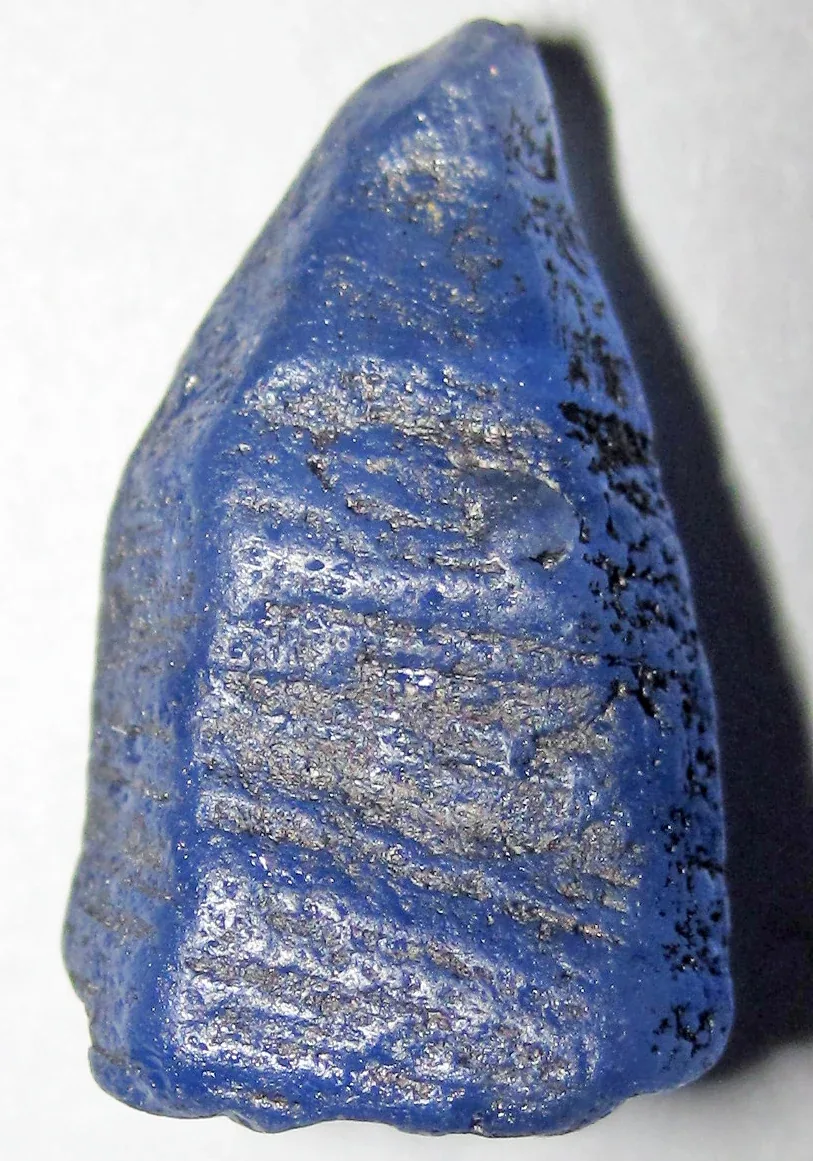
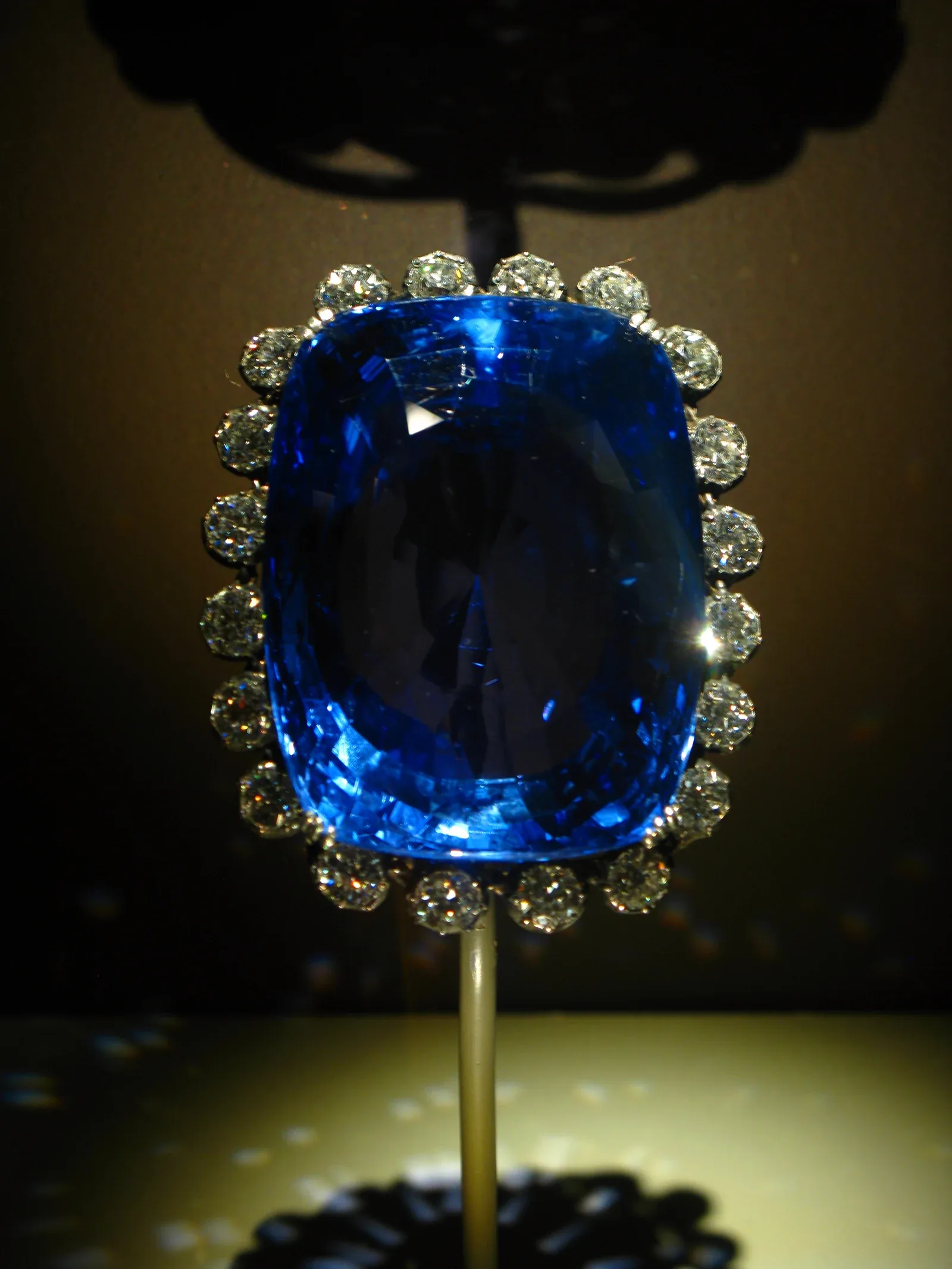
A blue sapphire, a vivid ruby or an emerald can make a piece of jewellery feel deeply personal. For collectors looking beyond diamonds, colour opens a different conversation about beauty, character and rarity. The attraction is easy to understand; claims that coloured gemstones have overtaken diamonds require a more careful reading.
Have coloured gemstones overtaken diamonds?
There is no single comparison that settles the question. A record auction result, the price of an exceptional stone and the wider market for everyday jewellery measure different things. Neither a ruby headline nor a change in one diamond segment establishes that one entire category is worth more than the other.
Sotheby’s reported that the 55.22-carat Estrela de Fura ruby sold for US$34.8 million in June 2023, setting a coloured-gemstone auction record at that time. Its year-end review also highlighted exceptional coloured diamonds. The useful conclusion is that remarkable stones in both categories can attract major collectors.
Why colour feels so personal
A coloured stone gives a commission its starting point. You might be drawn to a particular shade of blue, prefer a softer pink or want a jewel that recalls a place you have visited. Those choices give a designer something more individual to work with than size alone.
Compare several stones together. Notice which remains appealing as you turn it, which suits your preferred metal and which feels right against your skin. This is an editorial approach to choosing jewellery: begin with the appearance you enjoy, then examine the evidence and the price.
Compare quality within the right category
A diamond grading vocabulary should not simply be transferred to sapphire. GIA does not issue an overall quality grade for coloured stones in the way buyers may expect from diamond grading. Its coloured-stone reports identify material and record relevant findings, including detectable treatments.
For blue sapphire, GIA identifies colour as the most important quality factor. Cut, inclusions and size also matter. Two sapphires of equal weight can look very different, so a price-per-carat comparison needs context rather than a quick ranking.
Sources: GIA: coloured stone reporting; GIA: sapphire buyer’s guide
Where Ceylon sapphire fits into the story
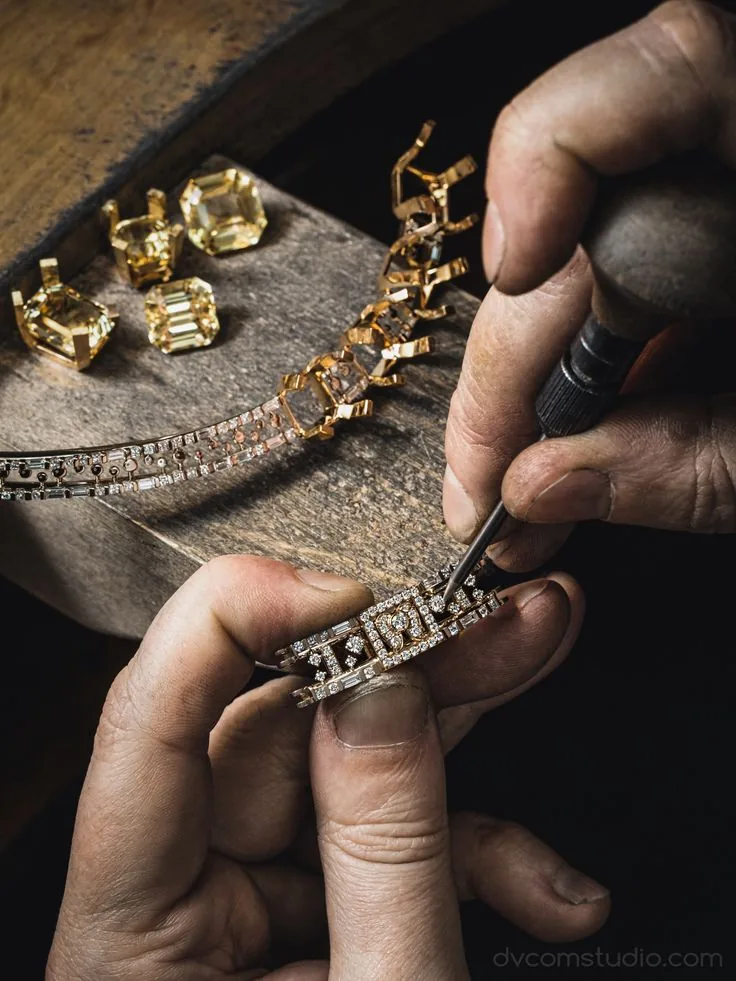
Sri Lanka offers an opportunity to connect a gemstone purchase with the wider experience of the island: conversations with specialists, an introduction to cutting and time spent understanding what you are seeing. A Ceylon origin claim should be examined alongside the individual stone’s appearance and documentation.
Do not buy a country name in place of a gemstone. Ask to compare examples, review treatment disclosures and understand the report before discussing a setting. The strongest purchase is one whose appeal you can describe in your own words.
Before choosing a coloured stone
Write down what you want the jewel to do: everyday wear, a special occasion, a first collection or a bespoke commission. That brief helps keep a beautiful but unsuitable stone from becoming an expensive distraction.
- Compare appearance in more than one lighting condition.
- Discuss durability and care for your intended jewellery design.
- Read the laboratory report and treatment disclosures.
- Compare genuinely similar stones rather than weight alone.
- Choose a budget before a sales conversation and allow time to decide.
Common questions
Are coloured gemstones more valuable than diamonds?
Some exceptional coloured stones achieve very high prices, but neither category is uniformly more valuable. Compare individual stones, their quality, documentation and actual transaction context.
Does an auction record predict my stone’s value?
No. A record concerns a particular jewel and sale. It is not a resale estimate or a forecast for a different gemstone.
Continue reading