Responsible sourcing
Ethical gemstone sourcing in Sri Lanka
What responsible gemstone sourcing means, which questions to ask, and why a laboratory report is only part of a stone’s story.
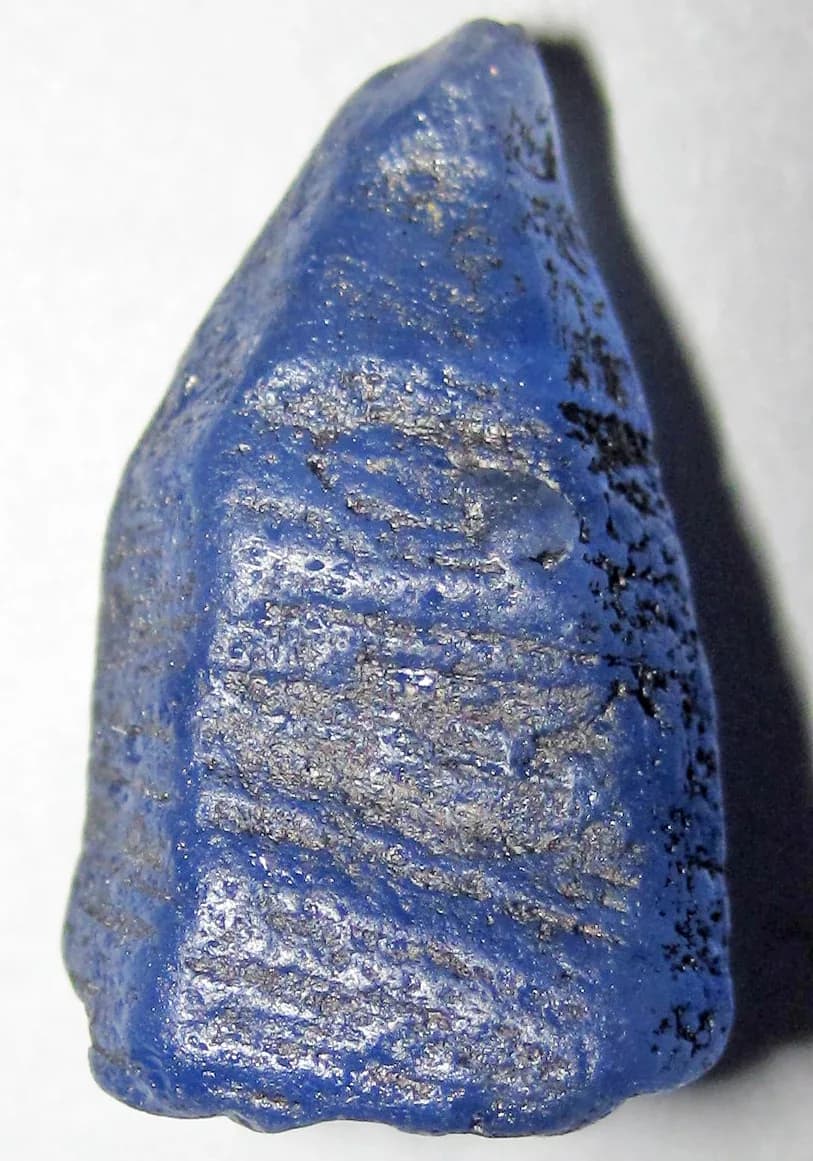
A beautiful Ceylon sapphire invites you to look closer. Responsible buying asks you to look beyond its colour, too: who handled it, what is known about its source, and which claims can be supported. In Sri Lanka, a considered gemstone journey begins with those conversations rather than a promise printed on a label.
What does ethical gemstone sourcing mean?
Ethical sourcing considers the people and conditions behind a gemstone: working practices, environmental impacts, trading relationships and the reliability of the information passed between suppliers. It is a process of asking, checking and following up. A country name, a friendly introduction or an attractive showroom cannot establish all of those things on its own.
The OECD’s mineral-supply-chain guidance frames due diligence around identifying and addressing risks, including serious human rights impacts and financial crime. For a buyer, the practical lesson is straightforward: ask how a supplier assesses risks and what happens when information is missing.
Follow the stone’s story, one step at a time
A coloured gemstone can move through miners, traders, cutters and jewellers before reaching its owner. GIA’s research on responsible sourcing describes the challenges created by these complex supply chains. A useful conversation distinguishes what a seller knows directly from what has been passed on by someone else.
Ask where the stone was purchased, who cut it and which records connect those stages. If a particular mine is named, ask for the evidence linking this individual stone to that mine. A photograph of a mining visit gives context; by itself, it does not establish a chain of custody.
Certification and responsible sourcing answer different questions
An independent gemological report can identify a stone, distinguish natural from laboratory-grown material and record detectable treatments. For certain gems, it may include an opinion on geographic origin. These are valuable findings, but they do not amount to an audit of labour conditions or environmental practices.
Keep the laboratory report alongside your invoice, treatment disclosures and any available sourcing records. Read the wording carefully: a scientific opinion that a sapphire originated in Sri Lanka is different from documentary evidence naming its mine, cutter and trading history.
Five questions to ask before buying
Use the same questions whether you are considering a first sapphire or expanding an established collection. Written answers make it easier to compare stones without relying on memory or sales language.
- What is known about this stone’s source, and which records support it?
- Which treatments are disclosed, and what does the independent report say?
- What can you tell me about the miners, cutters and suppliers involved?
- How do you assess working conditions and environmental risks?
- Will the invoice identify the stone and record the agreed disclosures and terms?
Make room for informed decisions
A private visit offers time to compare stones, meet specialists and ask follow-up questions. Keep that time in your itinerary. You should be able to review documents away from the sales table and decide whether the available evidence meets your expectations.
La Butler combines local introductions with private gemstone experiences and time to explore Sri Lanka. All our stones come with certification. We encourage you to consider those reports alongside the separate questions of provenance, supplier practices and personal suitability.
Common questions
Does a gemstone certificate prove ethical sourcing?
A standard gemological report describes the stone and relevant laboratory findings. It does not, by itself, verify working conditions or the complete supply chain.
Is a Sri Lankan origin claim enough?
Ask what supports it. An origin opinion, a seller’s statement and a documented chain of custody offer different kinds of information.
Continue reading