Collector education
Gemstones as an investment a considered approach
A practical introduction to gemstone investment: quality, independent reports, ownership costs, liquidity and the limits of auction comparisons.
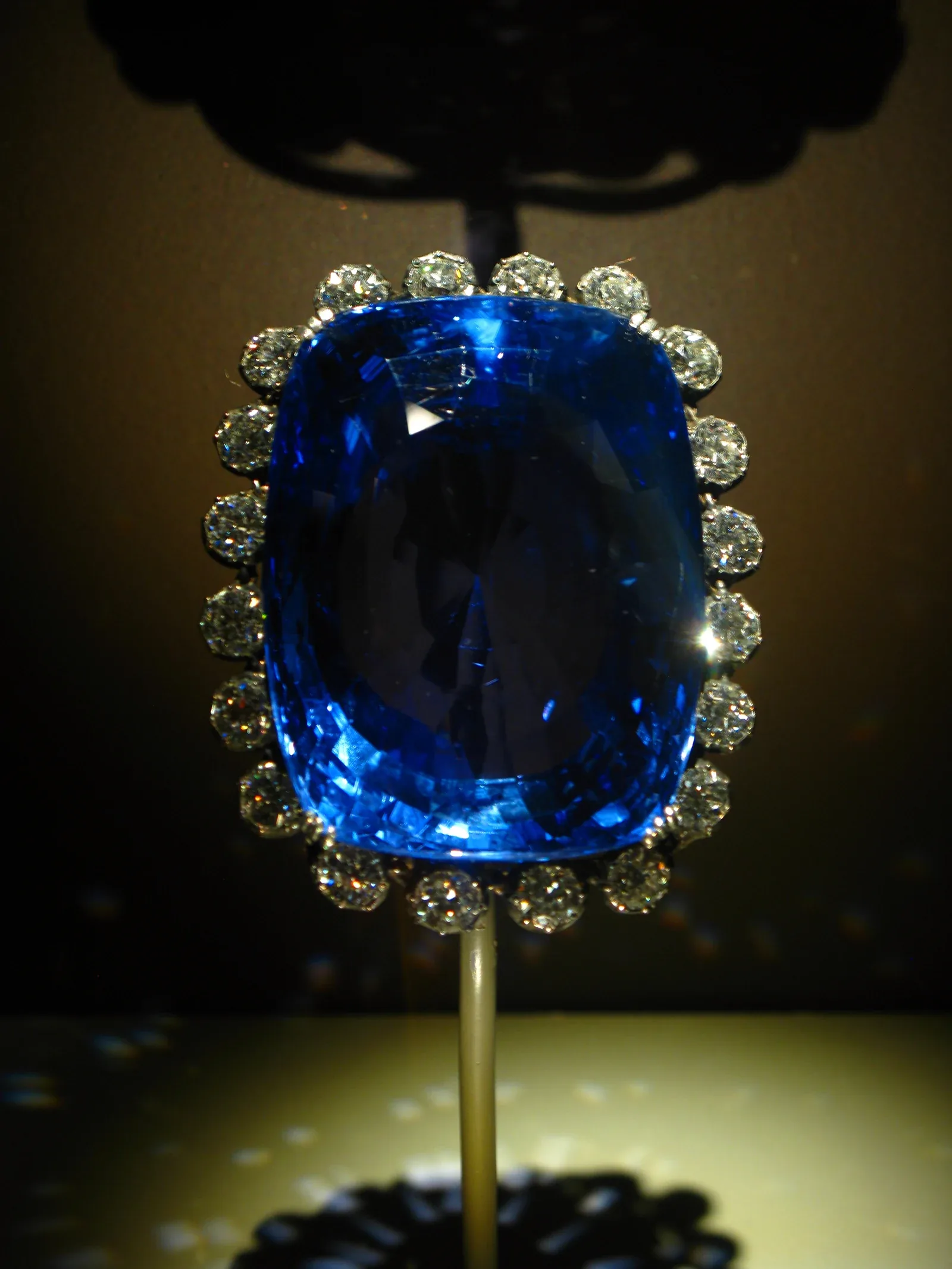
Gemstones bring together beauty, rarity and the pleasure of owning something tangible. Those qualities can make collecting appealing, but they do not ensure a financial return. If you are considering gems as an investment opportunity, start with how an individual stone is assessed, what ownership costs and how you might eventually sell it.
The opportunity begins with an individual stone
A collector may find lasting enjoyment in a well-chosen sapphire or ruby and hope that another buyer will value it in the future. That possibility is different from a predictable investment return. Gemstones do not pay interest or dividends, and an asking price is not evidence that a transaction will occur at that level.
Treat a purchase as a decision about a specific object. What makes it desirable? What supports the asking price? Who might buy it later? If the explanation rests mainly on a promise that all gemstones rise in value, pause. GIA’s consumer guidance specifically warns against gemstone schemes built around easy profits.
Sources: GIA: gemstone investment scams
What can support a gemstone’s value?
For sapphire, colour, cut, inclusions, size and treatment status all affect how a stone is evaluated. GIA notes that evidence of no heat can add rarity and value to fine-quality sapphire. That does not make every unheated stone superior to every heated one, or remove the need to assess its appearance.
Build a written comparison with genuinely similar stones. Note the seller, report, treatment status, dimensions, condition and proposed price. Where possible, distinguish a completed sale from a retail listing. A large price attached to a loosely similar gem is a weak basis for deciding what yours might realise.
Sources: GIA: sapphire quality and treatment
A laboratory report is not a valuation
An identification report and a monetary appraisal have different jobs. GIA’s terms state that its reports are not valuations or appraisals. A report helps you understand the material; it does not promise a purchase price, resale price or future increase.
Verify a report through the issuing laboratory’s official service and check that its description matches the stone. For a substantial purchase, obtain an independent opinion on value and ask the appraiser which market and purpose their figure represents. An insurance replacement estimate should not be treated as an offer to buy.
Sources: GIA: limitations of laboratory reports; GIA: understanding jewellery appraisals
Understand the cost of owning and selling
Your total outlay may include a retail margin, laboratory fees, a setting, insurance, secure storage, transport and applicable taxes. When selling, commissions and other charges can reduce the amount you receive. Ask for a realistic estimate of these costs before treating a possible price increase as a gain.
Resale may take time, and an immediate buyer may offer substantially less than the original retail price. A dealer, a private collector and an auction house serve different markets. Ask about their acceptance criteria, fees and payment terms while you are still considering the purchase, rather than when you urgently need to sell.
A practical checklist for a considered purchase
Use these questions to organise your research. For a purchase that affects your wider financial plans, discuss suitability with an independent financial adviser; a gemstone seller’s expertise and commercial interests are different.
- Can I explain the stone’s quality and the evidence behind its price?
- Have I checked the report, treatments, invoice and agreed terms?
- What will insurance, storage and eventual selling cost?
- Which realistic resale route is available, and how long could it take?
- Can I afford to hold the stone without needing a return or a quick sale?
Let education come before acquisition
A private gemstone masterclass offers a useful beginning: look at stones together, learn the questions to ask and explore your preferences without treating the experience as a commitment to buy. The aim is a more informed collector, with room to enjoy the craftsmanship and the journey as well as the stone.
Common questions
Are gemstones a guaranteed investment?
No. Prices and demand can change, costs reduce proceeds, and a buyer may be difficult to find. Neither a certificate nor a past auction result guarantees a return.
Does certification guarantee resale value?
No. A laboratory report records findings about the stone. Valuation and the price a buyer will actually pay are separate questions.
Continue reading